

Why Employee Retention in Aviation is Now a Strategic Priority
Employee retention in aviation is seldom taken for granted, given the complexity of filling all the manpower and skills needed for each flight to take off. In recent times, however, employee retention has become more prevalent as the aviation industry is still dealing with a structural skills gap, ageing teams, and intense competition for licensed talent.
For instance, Boeing projects long-term demand for 660,000 new pilots, 710,000 maintenance technicians, and 1,000,000 cabin crew over the next 20 years, which shows how large the replacement challenge has become. IATA’s workforce and skills reports also show that HR leaders across airlines and airports see staffing, training, and retention as central to business continuity.
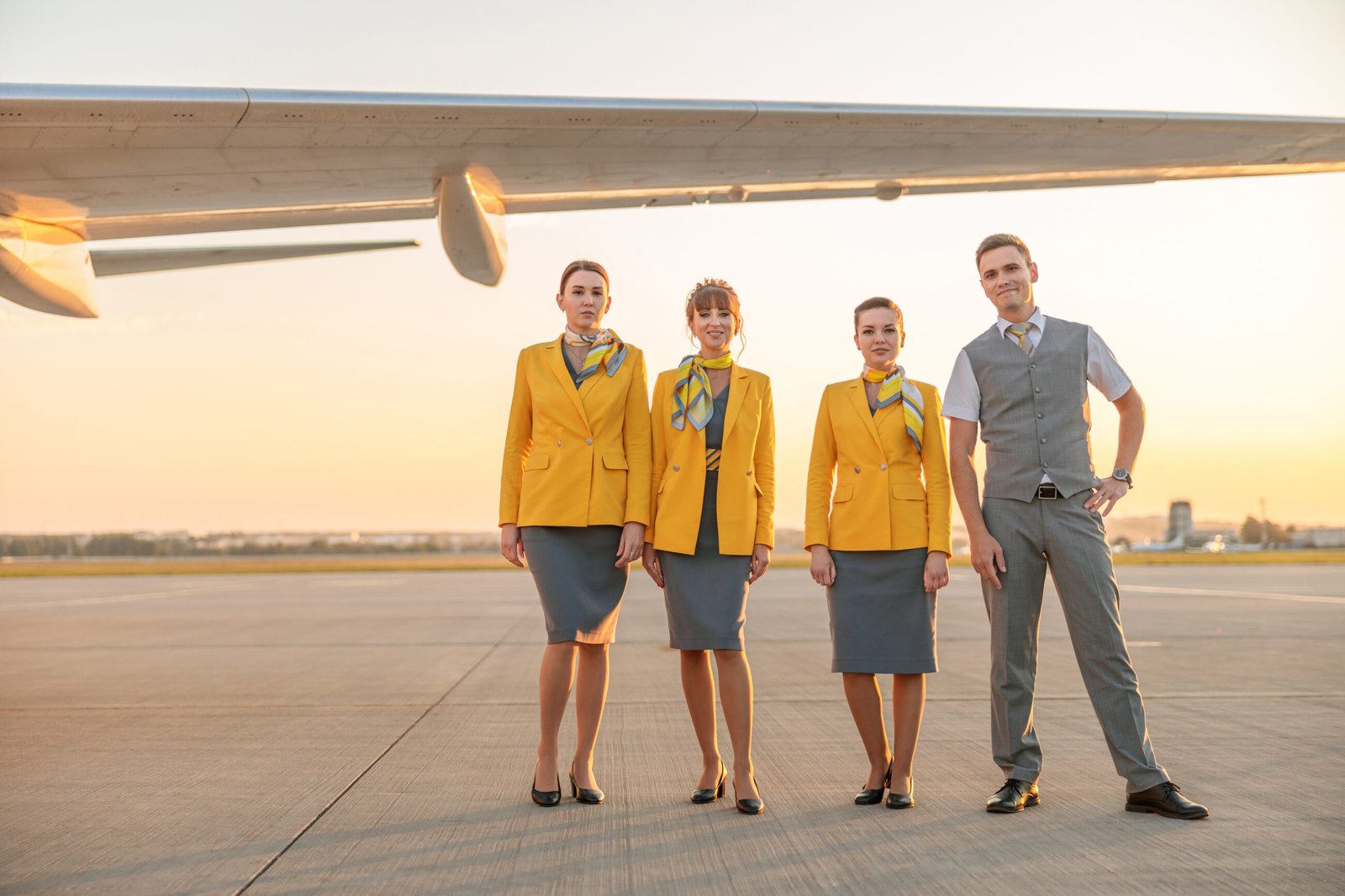
The growing skills gap in aviation: aging workforce and talent shortages
Simply put, the aim of retaining aviation personnel is to avoid creating skills or knowledge gaps, especially when experienced people and/or niche specialists are involved. Knowledge retention is particularly important in the airline industry, where operations are complex, highly regulated, and directly linked to safety.
Naturally, airlines depend on an array of specialized expertise in aircraft maintenance, safety procedures, customer service, and regulatory compliance. When critical knowledge is lost, organizations face increased error risks and safety incidents, as well as operational inefficiencies, service disruptions, and longer training periods for new employees. Furthermore, the loss of valuable experience can limit an airline’s ability to innovate and continuously improve its processes.
Retention is especially critical for international employers in aviation because apart from creating mere vacancies, turnover in aviation can also lead to serious operational disruption. Every lost engineer, dispatcher, or cabin manager increases strain on the rest of the roster and weakens the airline’s ability to recover from delays, irregular ops, and schedule changes. In aviation, that is the equivalent of flying with less redundancy than planned.

The Operational Impact of Poor Retention in Aviation
Knowledge loss and safety risks
Employee retention is increasingly being discussed as a strategic response to an industry that is simultaneously growing and aging. Pilot and maintenance shortages usually persist for years and constrain airline growth if the talent pipeline is not fixed.
In fact, repeated staffing strain in aviation linked roles such as air traffic control, where shortages have pushed mandatory overtime, schedule pressure, and service disruption into the public spotlight. As much as the lack of air traffic controllers has dominated the US news cycle over the past few months, there are growing shortages and risks of strikes in Europe too. Back to the US, the upcoming Fifa World Cup is set to create even more pressure, as Canada is scrambling to find more air traffic controllers.
The need to retain skills and knowledge does not stop at the control tower. Aviation HR insights from IATA reinforce that employers are finding it harder to attract and retain staff than they did before the pandemic, and creativity is now required to solve the gap. Furthermore, industry think tanks have also documented the scale of the loss, including 38.5% of the workforce leaving through early retirement or transitions into more secure work during COVID-era disruption.
Sometimes, airlines struggle to retain their most experienced captains because many senior pilots are choosing to remain in positions that offer better quality of life rather than accepting captain upgrades. While airlines can recruit and train new first officers, experienced captains take years to develop due to strict flight/hour and competency requirements. In fact, retirements, increased demand for air travel, and changing workforce priorities have intensified the shortage. Subsequently, airlines face a growing gap in leadership and operational expertise, making the retention of experienced captains a critical challenge for maintaining efficiency, safety, and service reliability.

Proven Strategies to Improve Employee Retention in Aviation
Employee retention in aviation is increasingly being managed through better pay, clearer progression, and more flexible rostering. Airlines and aviation employers are also investing in training, recognition, and more structured career paths because frontline staff will not stay long if they see no runway ahead. IATA’s training and workforce reports point to skills assessments, external training support, and online learning as practical levers for keeping people in the system.
Some operators are also using more experienced HR Business Partners, such as Aeroates, to support crew, maintenance, and airport teams with localised retention plans. The advantages are many, especially since aviation employment is not one size fits all; pilots, cabin crew, engineers, and ground handlers each respond to different pressure points.
A good retention strategy in aviation feels less like a corporate memo and more like a well managed turnaround. In fact, Aeroates provide regulatory expertise, industry knowledge, and a deep commitment to manage, structure, govern and protect operators and carriers, all delivered from their Malta base and through embedded partnerships across the European continent.
Employee retention improves when airlines do four things well: offer competitive compensation, build internal mobility, protect fatigue-sensitive teams, and use data to spot turnover risk early. Workforce forecasting helps HR teams anticipate where attrition will hit hardest, so they can recruit earlier or reskill existing staff before a shortage becomes a service issue.
Finally, by capturing and sharing critical knowledge, airlines can transform individual expertise into an organizational asset that is accessible across the company. Rather than relying on a small number of employees to hold essential information, a strong knowledge retention strategy ensures that valuable insights are preserved, shared, and used to support long-term organizational success.
 Conclusion: Looking ahead
 Conclusion: Looking ahead
Employee retention in aviation
Employee retention will likely remain a top priority for HR teams in the aviation industry for the foreseeable future. Notwithstanding the fact that the industry expects continued long term demand for aviation personnel, staffing shortages can quickly spill into flight disruptions and public scrutiny. To wit, employee retention is more achievable when HR teams treat it as a predictive discipline instead of a reactive one. That means using HR aviation insights, forecasting aviation workforce needs, and building retention plans around data, not just instinct.
As the aviation industry treats retention as important as recruitment, the need for effective knowledge retention is becoming even more significant. Many experienced professionals are approaching retirement, while newer employees often enter the industry with less practical knowledge and experience; creating a potential knowledge gap that must be addressed to maintain operational excellence and safety standards.
For an even greater advantage, airlines can benefit greatly from specialized HR providers such as Aeroates. With their tailored help, operators can increase their chances to keep their best aviation personnel on board, reduce churn in critical roles, and stay ahead of the next staffing squall.
