

Aviation Meltdown: When Rostering Failures & Software Glitches Wreak Havoc
Today’s dynamic airline environment requires HR teams to depend more and more on large data sets and software automation. The issue is that either due to human error or tech glitches, not everything goes as smoothly all of the time. Of course, these systems enable efficiency, safety, and profitability… When they function seamlessly. When they fail, however, the consequences are often immediate and severe.
Across the global aviation industry, recent crises have exposed how fragile this balance can be. From large-scale flight cancellations to regulatory breaches and reputational damage, examples in the below article show just how quickly real-world situations can escalate into full-blown operational meltdowns. For airline operators and key stakeholders, these incidents highlight the growing risks of over dependence on complex, interconnected HR solutions without adequate oversight or resilience. Furthermore, below are critical lessons for aviation companies seeking to strengthen operational continuity and future-proof their workforce strategies.
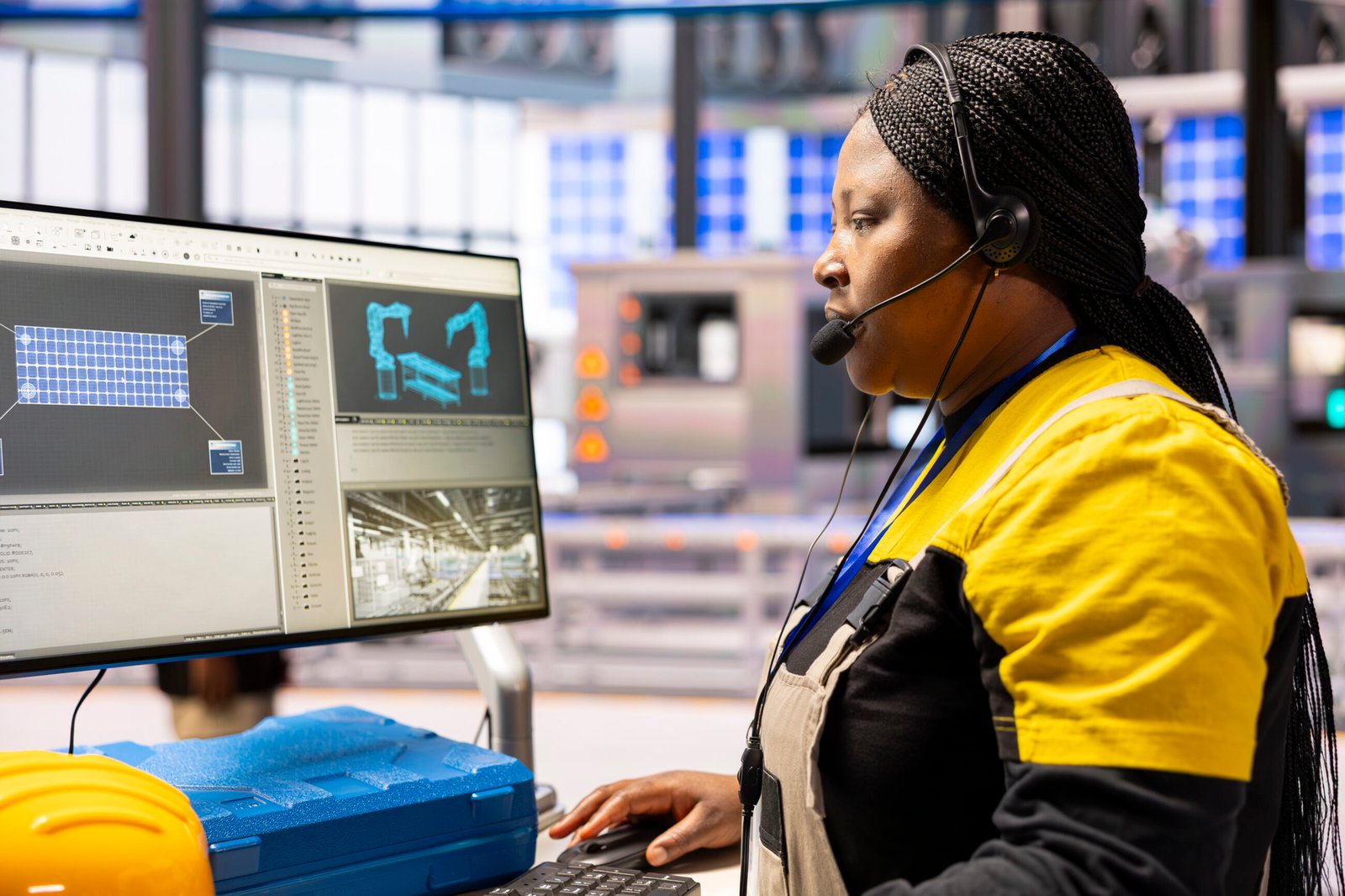
A Perfect Storm of HR Aviation Failures
The IndiGo 2025 crisis
A recent, prime example, is the 2025 IndiGo scheduling crisis; a textbook case of how HR and software failures can escalate into a full-scale operational meltdown. At the time, the company faced thousands of flight disruptions due to flawed crew rostering, compounded by software glitches within its scheduling platform. Reports indicate that pilots were either incorrectly assigned or exceeded regulated duty hours, forcing last-minute cancellations.
From an HR standpoint, this exposed their critical weaknesses: a complete lack of integration between rostering systems and compliance tracking, coupled with over-reliance on automated scheduling, without the proper human oversight. All this culminated in truly insufficient contingency planning, and the financial and reputational impacts that followed were severe. Industry analysts estimated losses in the tens of millions notwithstanding a hefty fine handed by the Indian regulator, causing further long-term brand damage.
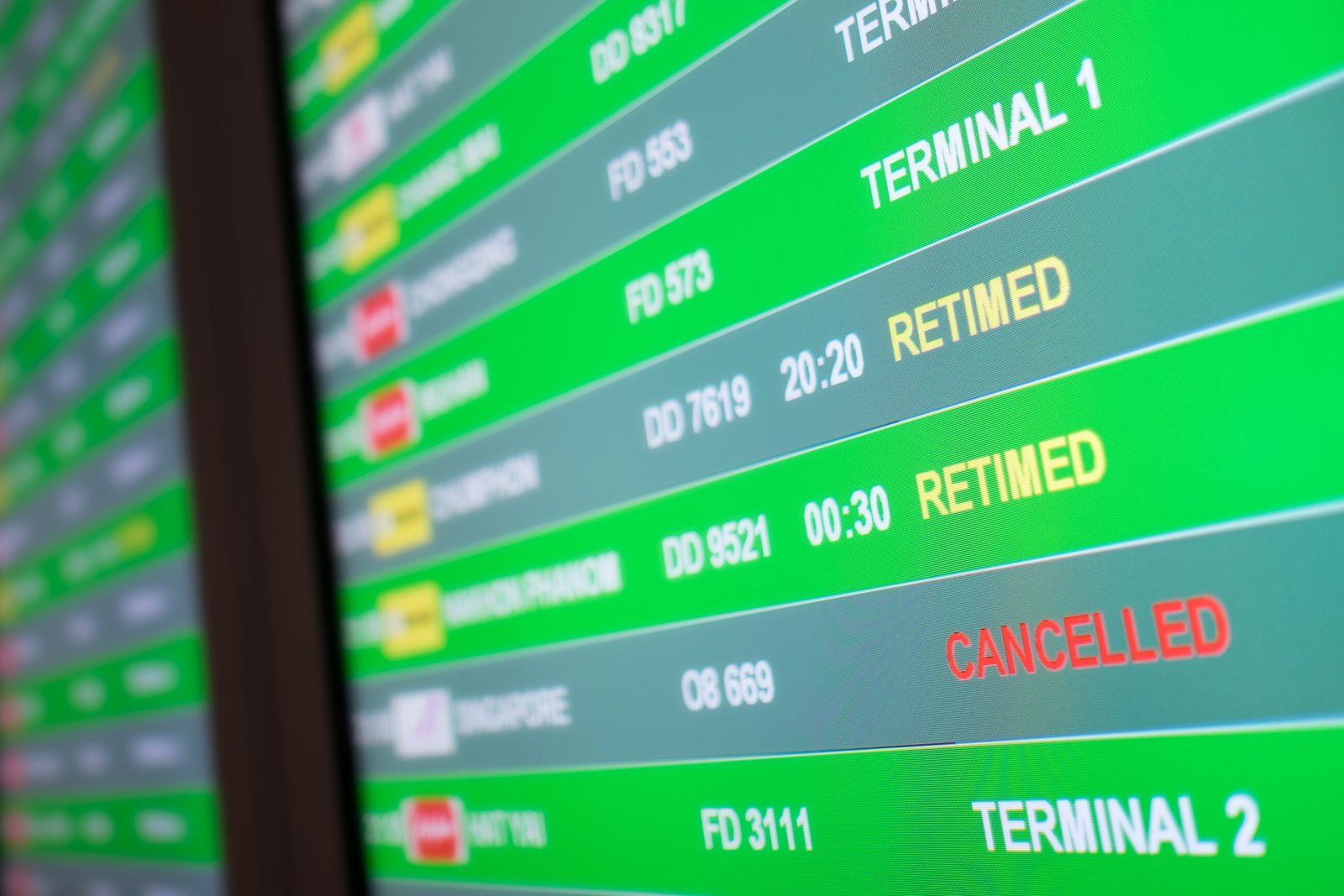
Software System Failure
British Airways IT collapse (2017)
Not all disruptions stem from rostering errors; sometimes, failures lie in technological breakdowns, albeit this example might have human error as its root cause. British Airways’ 2017 IT meltdown led to over 700 flight cancellations, and affecting 75,000 passengers due to a data centre failure.
While the root cause was technical, the aftermath became an HR crisis, as aviation crews were stranded out of position, and emergency rostering had to be manually rebuilt. HR teams worked around the clock to reassign staff, highlighting the critical aspect of IT failures in aviation companies, and how they can quickly escalate into workforce crises.
HR teams ought to play a proactive role in planning for disaster recovery, especially when workforce redeployment strategies need to be quickly implemented in such cases. Without these cross-functional capabilities, even a relatively minor technical glitch can paralyse entire operations.
Rostering Gone Wrong
Ryanair’s 2017 pilot scheduling crisis
In 2017, Ryanair cancelled over 20,000 flights due to a miscalculation in pilot leave scheduling. The issue stemmed from a change in the company’s annual leave calendar, which inadvertently created a pilot shortage.
As innocent as the mistake was, it quickly morphed into an Aviation HR disaster. In sum, the planning failure resulted in poor forecasting of pilot availability, highlighting a total lack of alignment between HR systems and operational needs. It also exposed weak communication between HR and flight operations.
The fallout was immediate. Passenger rust dropped, and the airline had to offer costly compensation. For HR leaders, this case reinforces the importance of implementing robust strategies well in advance. They should be data-driven, and modelled on real-time workforce scenarios, optimized for peak demand period.

Scale Amplifies Failure
The Southwest Airlines scheduling collapse (2022)
The 2022 Southwest Airlines crisis demonstrates how scale can quickly become an operator’s nightmare. During a severe winter storm in 2022 that triggered disruptions, the airline’s outdated crew scheduling system could not recover data sufficiently and efficiently enough. As a result, thousands of flights were cancelled, and crew assignments had to be handled manually.
The key HR-related failure was the inability to track crew locations in real time, causing a breakdown in communication between crew and scheduling teams. On top of that, the lack of scalable HR solutions to handle the disruption clearly showed that investment in modern systems had lagged behind operational growth, as Executives later admitted. This case underscores how much of a liability legacy systems can be; as aviation companies scale, so must their attention (and investment) to the very programmes they depend on.
Conclusion: Strategic Lessons in Aviation HR
Preventing the next operational meltdown
The above case studies clearly expose how HR Aviation failures can be systemic. From rostering breakdowns to large-scale system failures, the workforce-related risks are just too high to be left unaddressed for HR leaders in the aviation industry. How, then, can aviation companies reshape their approach to HR?
As Aeroates CEO Giovanna Mirabile puts it: “Ultimately, HR teams should act as a strategic risk function for airline operators, since resilience depends on integrating people, systems, and strategy”.
Investment in integrated HR solutions provides critical oversight, while adopting unified workforce platforms could significantly improve operational resilience. At the same time, external HR Business Partners provide support where necessary, and can evolve into strategic enablers when it comes to facilitating workforce planning, crisis simulations, and cross-functional coordination. If this article shows us anything, technology alone is not enough.
