

How HR Business Partners Support High-Performance Aviation Companies
The aviation sector is one of the most operationally-complex industries in the global economy. Airlines operate under strict regulatory frameworks, high safety standards, and intense commercial pressure. As aviation operators evolve and grow, so do their HR teams; essentially evolving from administrative workforce management into a strategic business function that caters not only for human resources and all its challenges, but effectively acting as a core decision-maker and facilitator.
As global air travel demand is expected to double over the next two decades, airlines face distinct talent acquisition and workforce planning demands. For airline operators and charter organisations, this means HR leaders must now participate directly in operational decision-making, fueling a sense of urgency in upping strategic HR planning. Simply put, aviation HR teams ought to move beyond traditional administrative functions and implement strategic solutions to effectively prop up personnel and anticipate shortfalls.
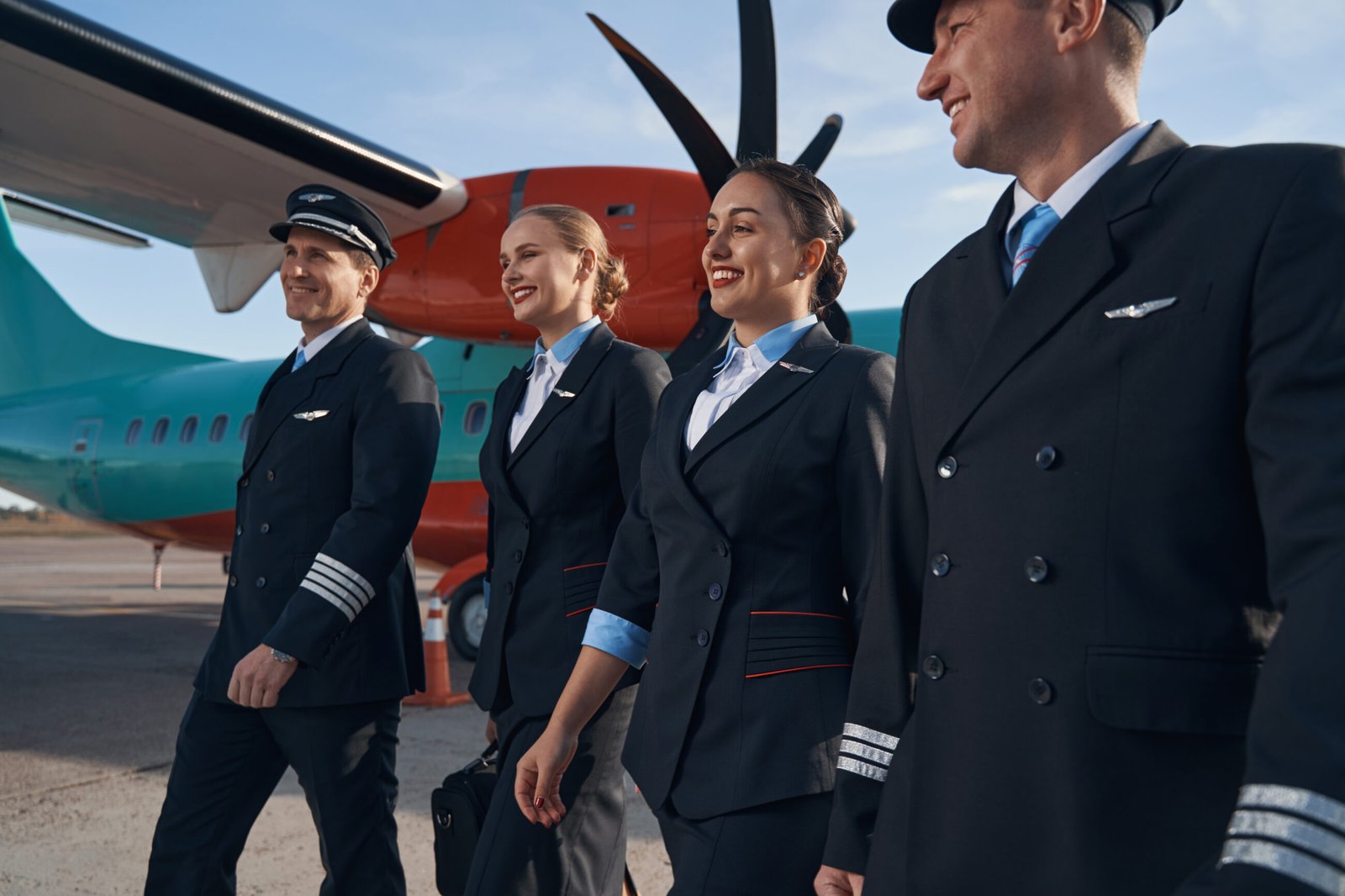
HR Aviation Challenges in a Rapidly Expanding Global Market
A sense of urgency
Just how urgent are strategic HR implementations for the aviation sector? International bodies such as the International Civil Aviation Organization (ICAO) and the International Air Transport Association (IATA) have been beating the drums for months now.
In sum, worldwide industry demand will require 1.5 million additional aviation professionalsover the next decade, in view of global fleet expansions, growing passenger demand, and large waves of workforce retirements as a result. Adding to this is the surge in the number of commercially-operated aircraft and doubled flight departures which poses the immediate necessity of training new generations of personnel to replace those retiring. The Airports Council International (ACI) has also exposed global manpower shortages earlier this year, and has warned of operational disruptions and security bottlenecks unless demand for new personnel is met.
The scale of the challenge is significant. Estimates currently forecast the need for roughly 1.5 million new professionals by 2034, including 300,000 pilots, 416,000 aircraft maintenance technicians, 678,000 cabin crew members, and 71,000 air traffic controllers (). For aviation companies, this workforce demand means human capital strategy is now a critical operational priority.
 Why HR Business Partners Are Critical to Aviation Companies
 Why HR Business Partners Are Critical to Aviation Companies
Strategic workforce planning & flexibility for expansion
Arguably, one of the most critical responsibilities within HR Aviation is workforce planning. As airlines strive to ensure that their staffing levels align with their fleet growth, route expansions, and operational demand, they are also faced with the challenge of intercepting short and long-term future fluctuations in personnel demand. This is compounded by the need for niche skills particular to the aviation industry; such as engineers with specialized roles in turbine, turboprop, piston, and emerging electric propulsion technology to name a few.
As much as Aviation HR teams are used to the dynamic and fast-moving environment inherent to the aviation industry, optimizing their workforce planning with the help of external HR business partners is beneficial for several reasons. The first is having a team of professionals with specialized roles working in tandem to shorten processes. A second would definitely be the opportunity to have the overarching servicing strategy tailored to operators depending on their workforce needs. Another, and probably most important for some in the aviation sector, great HR partners create an environment in which they alleviate the necessary burdens of HR, allowing the company’s HR team to focus on strategy or other priorities they may have.
When considering expansion, one needs flexibility. Aviation is inherently global and as airlines regularly open new bases, expand routes, and scale operations across multiple jurisdictions, external HR partners provide with international recruitment, labour compliance, and workforce mobility strategies. Capabilities such as these are particularly valuable for charter operators and rapidly growing airlines, who stand to operate at a loss if many components are not ready in time.
Moreover, Aviation HR business partners help with solving future workforce needs based on attrition trends and operational demand. This is not only due to their inherent specialization, but also thanks to their access to precise data, their adoption of predictive analytics, and their valuable experience with a multitude of clients, often with varying needs.
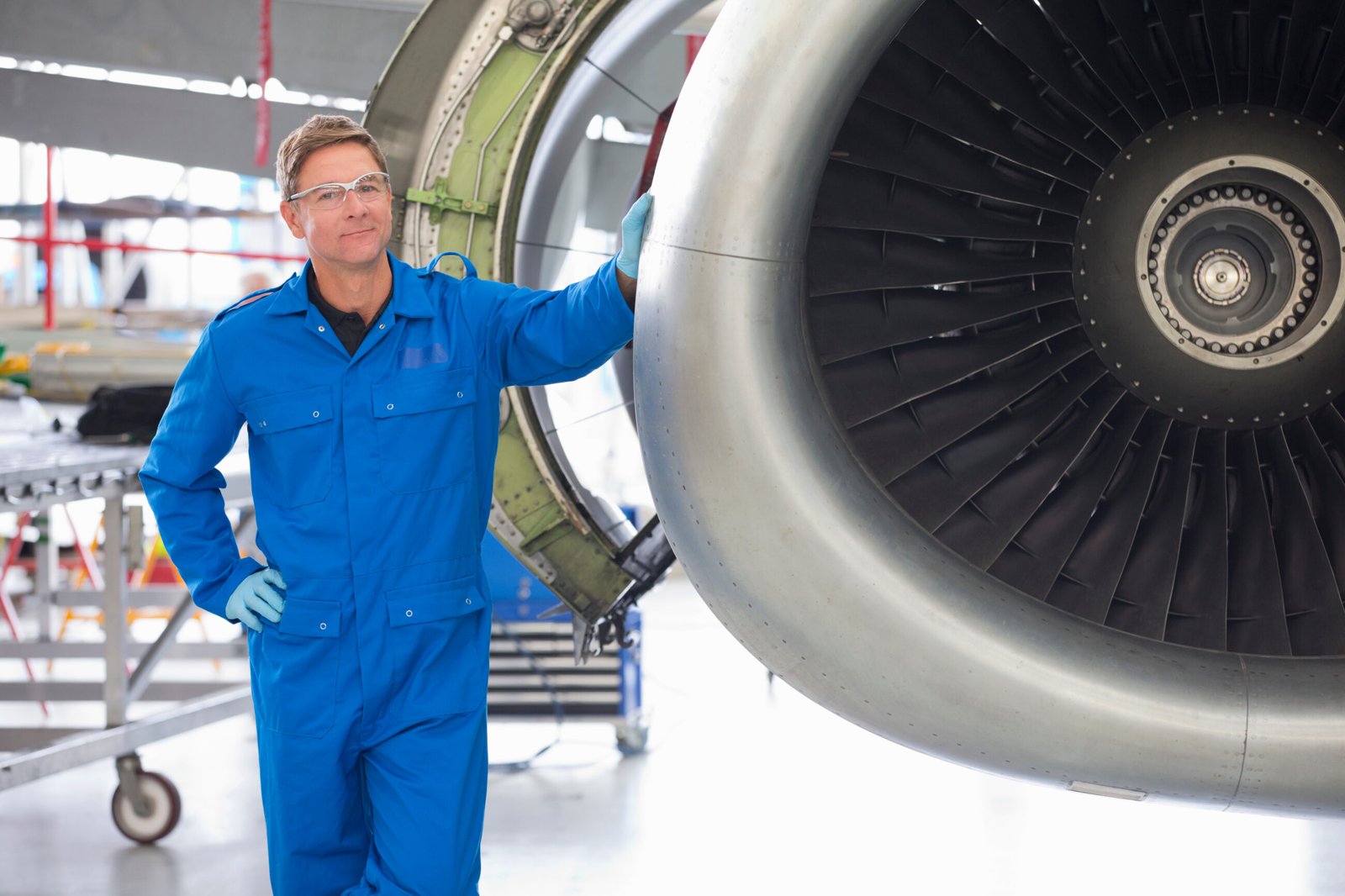
How External HR Solutions Improve Workforce Planning in Aviation
Talent acquisition, training pipelines, and compliance
It is no secret that recruitment in aviation is uniquely complex due to certification requirements, regulatory oversight, and high training costs. The Federal Aviation Administration (FAA) and European Union Aviation Safety Agency (EASA) mandate strict training requirements, which, while ensuring safety, limit the speed at which new aviation personnel can enter the workforce – from pilots and cabin crew, to ground and airport staff, to aircraft and aerospace engineers.
High performance in aviation companies means that talent acquisition and training pipelines are always in the making. Whether it be for current or predicted shortfalls, strategic planning in recruitment helps to streamline the hiring process by providing a curated list of skilled professionals at a constant rate.
Another important aspect to take into account when planning recruitment is security checks. While often overlooked, background security checks (which due to regulations, all operational staff must pass from) extend hiring timelines significantly in the aviation sector when compared to other industries, and are an inherent part of any HR aviation department’s timeline along with its other main factors.
While many airlines maintain strong internal HR departments, the complexity of aviation operations often requires additional external support. HR business partners can help in-house aviation HR teams by overseeing acquisition funnels, training strategy, workforce forecasts, payroll administration, organisational transformation, and regulatory compliance.
HR Technology and personnel forecasts
Increased innovation and new technological advances are constantly reshaping aviation operations and its future workforce. Now more than ever before, automation, artificial intelligence, and digital systems are embedding themselves in everyday processes across the aviation industry.
Consequently, HR strategy in aviation should prioritize predictive workforce analytics and continuous learning to keep current and future human resources up-to-date, and geared for future implementations. Ongoing professional development programmes give employees the opportunity to keep pace with technological changes, maintaining a workforce capable of operating in an increasingly digital environment.
At the same time, proactive HR teams should create clear reskilling pathways for employees whose roles are evolving. This strategy provides a continuous update to roles, keeping companies on track with industry developments, and ultimately helps them retain experienced staff. It certainly worked for the SIA Engineering Company (SIAEC), whose HR team successfully implemented robust re-skilling and upskilling pathways to evolve its workforce in response to the COVID-19 pandemic.

Conclusion: HR Business Partners as Strategic Co-Pilots
In today’s environment, HR business partners play a central role in aligning workforce capabilities with airline business strategy since they function as a strategic partner alongside operations, finance, and safety leadership. Ultimately, organisations that actively support their workforce in adapting to technological developments are likely to be more resilient and better positioned to foster innovation in a rapidly changing aviation sector. It is in this exact environment.
By combining strong internal HR teams with specialized external HR solutions, aviation companies can build resilient organisations capable of sustaining growth in one of the world’s most demanding industries.
