
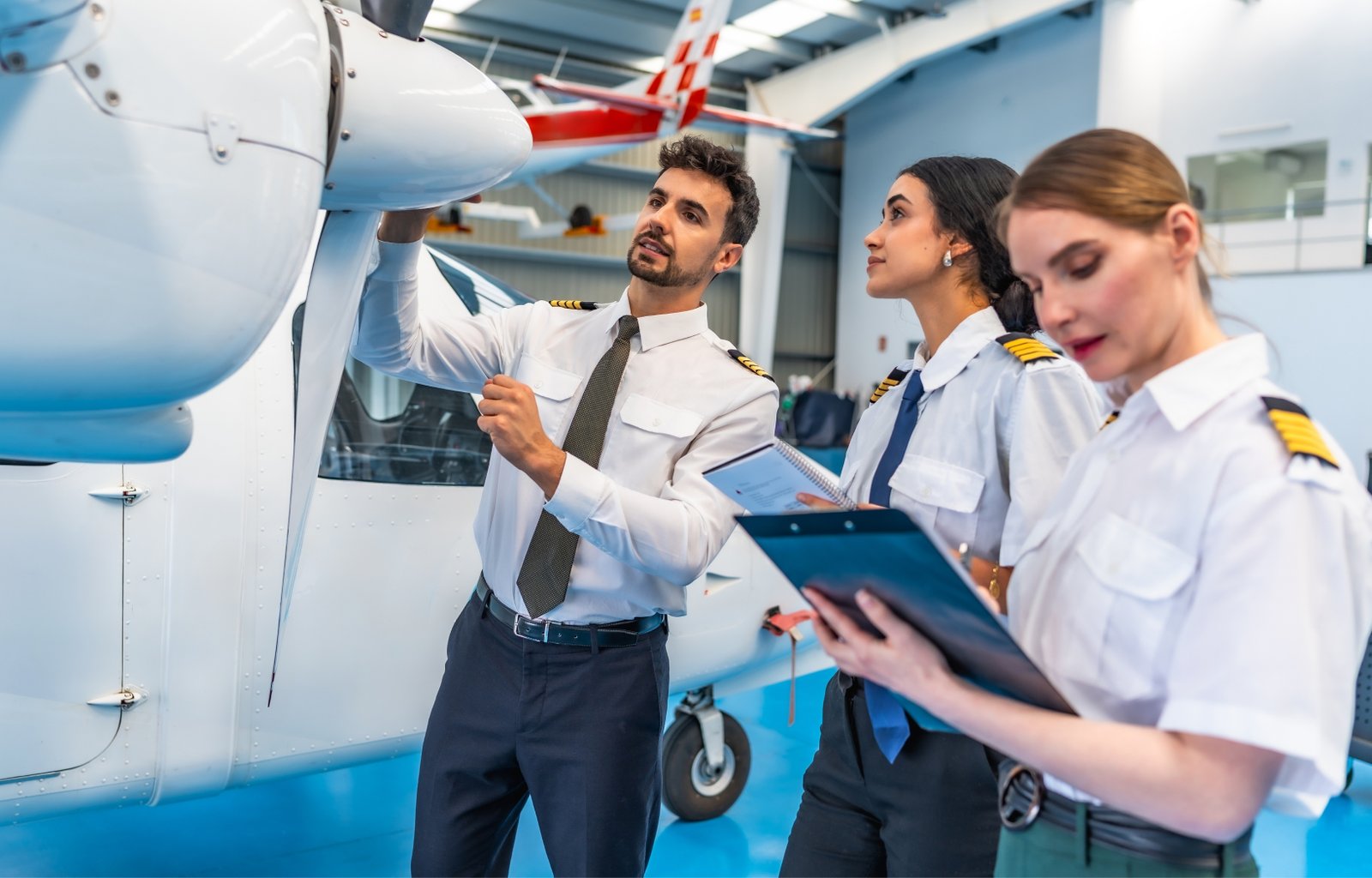
 The aviation industry is changing fast. Passenger demand is rising again, new aircraft and digital systems are entering service, and many experienced workers are nearing retirement. For aviation companies, this creates a serious challenge: having the right people, with the right skills, at the right time.
In this environment, Aviation HR Strategy is no longer just about hiring and payroll. It has become a core part of business planning. Airlines, airports, MRO providers, and aerospace companies all depend on skilled people to operate safely, efficiently, and profitably. Without a strong workforce plan, even the best commercial or technical strategy can fail.
In this piece, we will see how aviation companies can build a practical and flexible HR strategy for 2026 and beyond, one that helps them prepare for uncertainty instead of reacting to it.
Key Workforce Dynamics Shaping Aviation HR Strategy in 2026
Several major trends are shaping the aviation workforce. Understanding these trends is the first step in building a strong and future-ready HR strategy.
1. The Growing Need for Aviation Professionals
The biggest challenge is scale, and the industry simply needs more people. Over the next 20 years, the aviation sector is expected to need around 2.4 million new professionals worldwide. This includes approximately 660,000 pilots, 710,000 maintenance technicians, and over 1 million cabin crew members. This demand comes from both industry growth and the large number of people reaching retirement age.
For aviation companies, this means competition for talent will stay high. Organisations that wait too long to plan will struggle to fill key roles, especially in safety-critical areas.
2. Skills Gaps and Changing Roles
It is not just about numbers. It is also about skills. Modern aircraft are more digital and more complex than ever before. Maintenance teams now work with data systems, predictive analytics, and advanced diagnostics. Pilots operate highly automated flight decks. Engineers and planners rely on software tools that did not exist ten years ago.
As a result, aviation companies need people who can combine technical knowledge with digital skills. HR teams must focus on upskilling existing staff, not just hiring new ones. Training and development have become just as important as recruitment.
3. Changing Employee Expectations
Today’s workforce thinks differently about work. Many aviation professionals now place high value on work-life balance, clear career paths, and personal development. In surveys, around 74% of aviation workers say they want to stay in the industry, but many are willing to move between employers if their needs are not met. This means retention is just as important as attraction. Companies that invest in their people, listen to feedback, and offer fair and transparent conditions are far more likely to keep their best talent.
Building a Strong Aviation HR Strategy
A strong Aviation HR Strategy connects business goals with people planning. It is proactive, data-driven, and focused on the long term.
1. Workforce Planning Based on Real Data
Effective workforce planning starts with understanding future needs. This includes:
- Expected retirements by role and region
- Future fleet growth and new operations
- Changes in skill requirements
By using data and industry forecasts, HR teams can identify risks early and plan recruitment, training, or succession programs before shortages become critical.
2. Focus on Retention and Development
Hiring new people is expensive and time-consuming. Keeping good people is often cheaper and more effective. Companies should invest in:
- Clear career pathways
- Leadership and technical development programs
- Mentoring and internal mobility
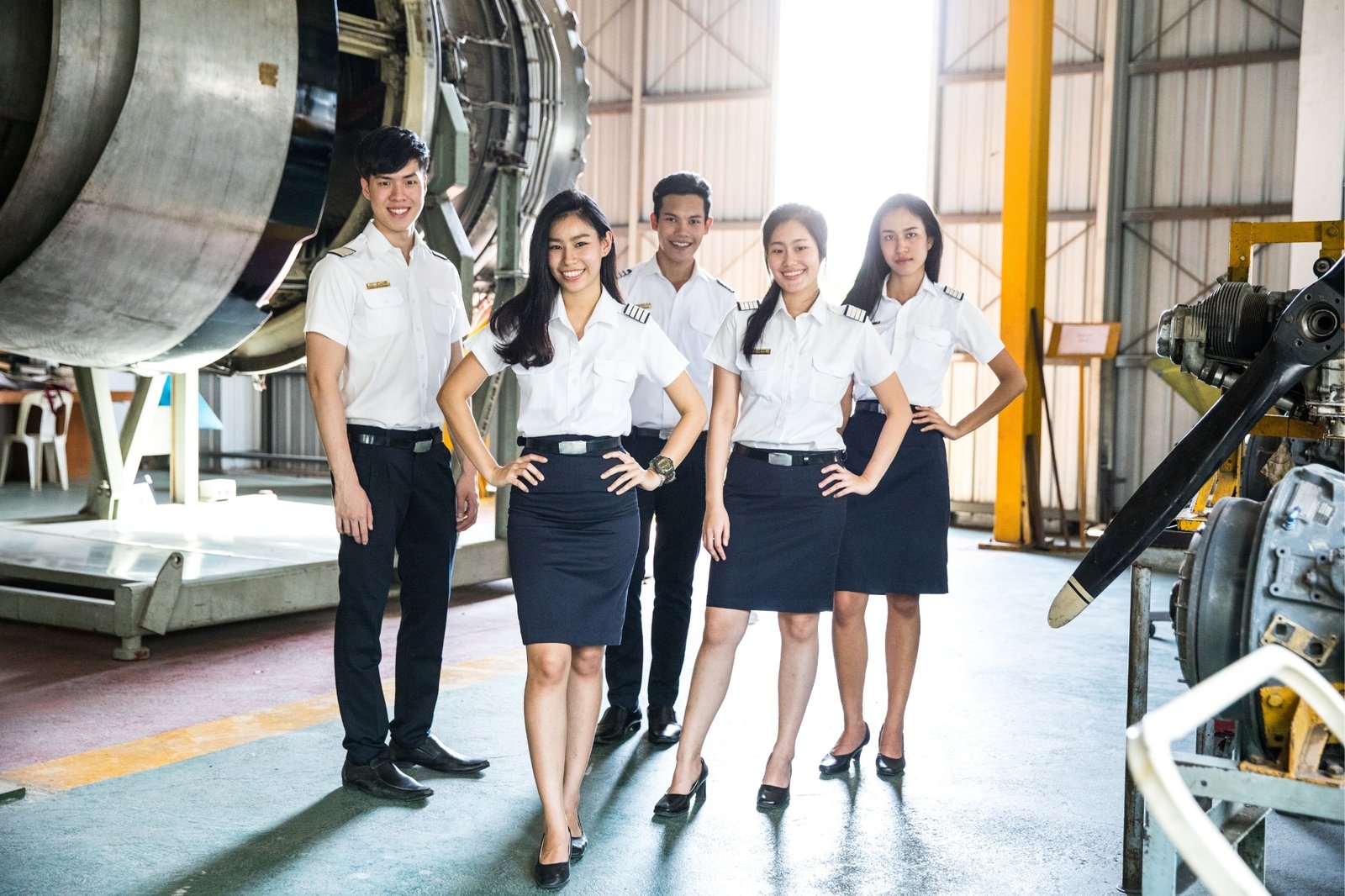
When employees see a future in the organisation, they are more likely to stay, perform better, and contribute to a positive culture.
3. Creating a Clear Employer Value Proposition
In a competitive market, aviation companies must clearly explain why someone should work for them. A strong employer value proposition includes:
- Fair and competitive pay
- Respect for work-life balance
- Opportunities to learn and grow
- A culture of safety, respect, and inclusion
This message should be consistent across recruitment, onboarding, and internal communication.
Technology and the Future Workforce
Technology is changing how aviation works, and how people work. Automation, artificial intelligence, and digital tools are becoming part of everyday operations. This does not remove the need for people, but it changes what people need to know. HR strategy must therefore include:
- Continuous learning programs
- Partnerships with training organisations
- Reskilling options for employees whose roles are changing
Companies that help their people adapt to technology will be more resilient and more innovative.
Leadership, Culture, and Wellbeing
People do their best work in healthy environments. Leadership quality, trust, and communication have a direct impact on performance and safety. Aviation companies should invest in leadership development and build cultures where people feel valued, heard, and supported. Well-being is also critical. Fatigue, stress, and burnout are real risks in aviation. HR strategies must include policies and practices that protect physical and mental health.
Measuring Success
To manage workforce strategy properly, companies must measure it in a consistent and meaningful way. Tracking indicators such as how long it takes to fill key roles, how often employees leave the organisation, and how well staff are retained over time gives leaders a clear view of workforce stability. Monitoring participation in training programs and understanding whether critical skills are being developed internally also shows whether the company is building future capability or simply reacting to shortages.
In addition, regular employee engagement surveys provide insight into morale, motivation, and organisational health. Together, these measures help leadership teams understand what is working, where risks are emerging, and what actions are needed to keep the workforce aligned with business goals.
From Reaction to Preparation
The aviation industry will always face uncertainty, from economic changes to new technology and shifting passenger demand. However, workforce challenges do not need to remain a constant crisis. With a thoughtful, flexible, and people-focused Aviation HR Strategy, aviation companies can move from reacting to problems toward preparing for the future.
This is where partners like Aeroates play an important role. By supporting aviation organisations with workforce planning, talent strategy, and people-focused solutions, Aeroates helps companies build stronger, more resilient teams that can adapt to change and support long-term growth. Companies that invest early, plan carefully, and work with the right partners will be better positioned to attract talent, develop skills, and remain competitive in 2026 and beyond.
